LBC Prohibited Items: What You Can't Ship
Complete list of LBC prohibited items, dangerous goods, restricted air cargo items, liquid bans, and branch inspection rules for sending packages safely.
Quick Answer
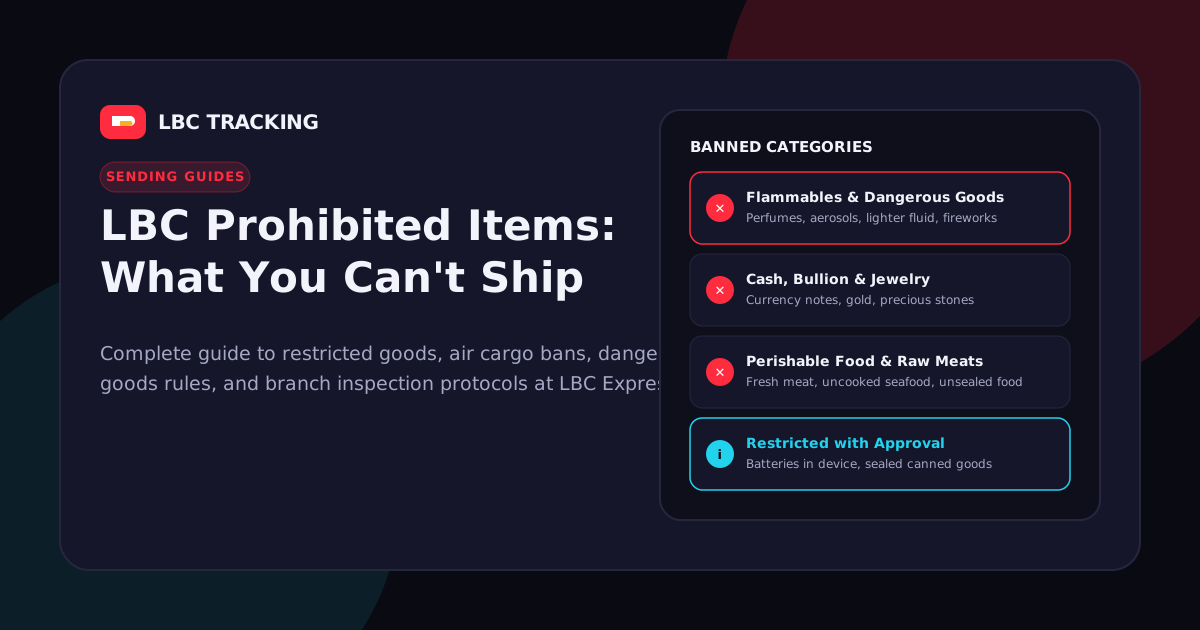
LBC prohibited items include cash, precious metals, firearms, flammable liquids, pressurized spray aerosols, loose lithium powerbanks, perishable unsealed food, and illegal goods. Air cargo shipments carry additional restrictions prohibiting liquids and standalone batteries. Bringing prohibited items to an LBC branch results in item confiscation or shipment rejection during mandatory visual inspection. For general sending guidelines and rates, start with our LBC Express rates guide and LBC Express services overview.
Why LBC Restricts Certain Items
I’ve seen firsthand how frustrating it is when an LBC branch associate turns down a packed parcel at the counter. However, courier restrictions exist to comply with Philippine civil aviation safety laws, maritime transport rules, and customs regulations. LBC operates air cargo flights alongside sea cargo vessels across more than 250 destinations nationwide, so safety regulations enforced by the Civil Aviation Authority of the Philippines (CAAP) apply strictly to every parcel loaded onto an aircraft.
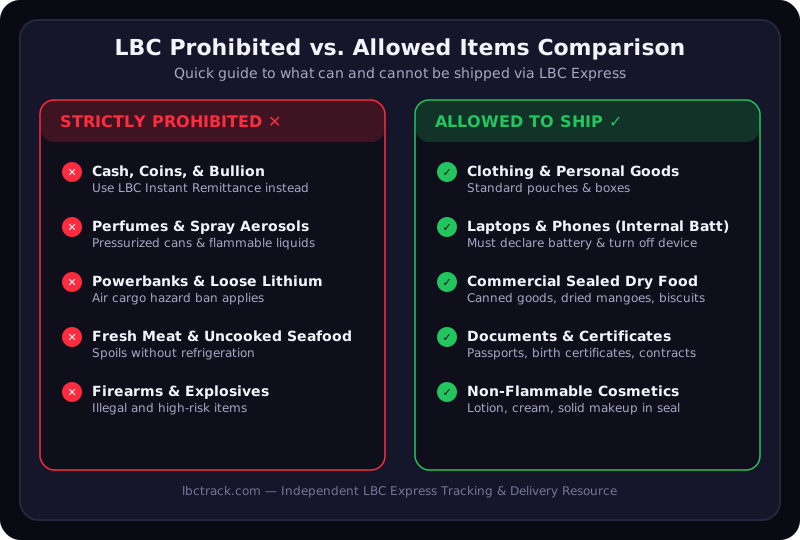
When you drop off a package at any of LBC’s 6,400+ branches, staff are required to visually inspect the unsealed contents before accepting the shipment. If an unapproved item is detected at the counter or during X-ray screening at hub transit points like the NCR Central Exchange, the parcel will be held, returned to sender, or confiscated. To avoid unnecessary trips and delivery delays, it pays to know exactly what can and cannot go into your pouch or box.
Complete List of Strictly Prohibited Items
LBC Express strictly bans the following items across all domestic and international service types. These items cannot be shipped under any circumstances, regardless of whether you choose air or sea cargo.
+-----------------------------------------------------------------------+
|                      STRICTLY PROHIBITED ITEMS                        |
+-----------------------------------------------------------------------+
|  1. Currency & Cash (PHP, USD, coins, bank notes, paper money)        |
|  2. Bullion, Gold, Silver, Precious Metals & Unset Gemstones          |
|  3. Firearms, Ammunition, Explosives, Fireworks & Replica Weapons     |
|  4. Illegal Drugs, Narcotics, & Unlicensed Pharmaceutical Products    |
|  5. Corrosives & Toxins (Bleach, Acid, Pesticides, Cyanide)           |
|  6. Flammable Liquids (Gasoline, Paint Thinner, Kerosene, Acetone)    |
|  7. Fresh Raw Meat, Uncooked Seafood, & Non-Sealed Perishables        |
|  8. Live Animals, Plants, Seeds, & Soil (Without Quarantine Permits)  |
+-----------------------------------------------------------------------+
1. Cash, Currency, and Precious Metals
Paper bills, coins, traveler’s checks, and negotiable securities cannot be placed inside an LBC parcel. I once talked to a sender in Pasig who tried to hide ₱10,000 inside a pair of shoes sent to Leyte; when the package went through hub scanning, the cash was flagged immediately. If you need to send money to family or business partners across the Philippines, use LBC’s Instant Remittance service at a branch rather than shipping physical cash in a cargo box. Similarly, raw gold bars, silver bullion, and loose diamonds are excluded from standard cargo insurance and declared value coverage.
2. Explosives, Firearms, and Weapons
Guns, live ammunition, reloading components, firecrackers, pyrotechnics, and tactical knives without official permits are strictly prohibited. Even airsoft guns, gun parts, and realistic replica weapons are barred from standard courier transit because they trigger security alerts during airport X-ray checks.
3. Flammable Chemicals, Corrosives, and Toxins
Hazardous household chemicals like liquid bleach, drain openers, muriatic acid, spray paint cans, and agricultural pesticides pose chemical leak and fire hazards during transport. If a bottle leaks inside a delivery van or aircraft container, it can damage hundreds of adjacent parcels and endanger courier personnel.
Air Cargo Restrictions: Liquids, Aerosols, and Batteries
Even if an item is not illegal, it may be barred from air freight shipping. Air transit involves atmospheric pressure changes and temperature fluctuations that make certain items volatile in cargo holds.
Liquids and Perfumes
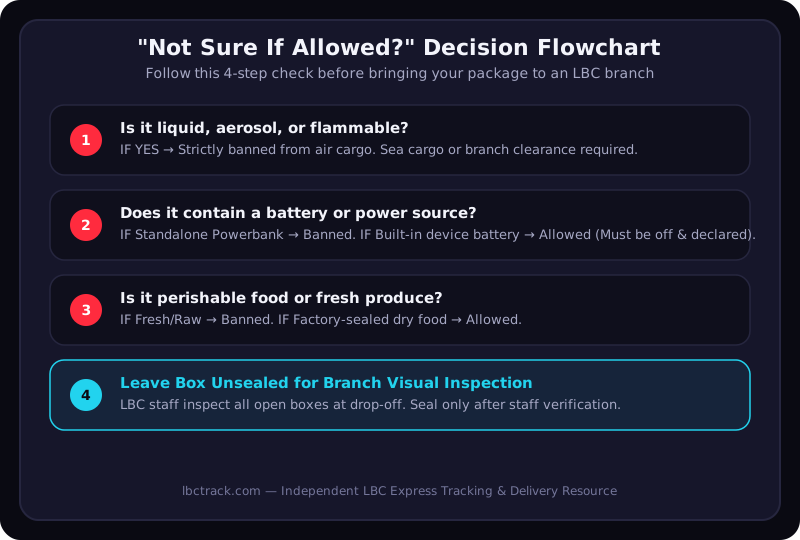
I’ll be honest: the liquid restriction catches many online sellers off guard. Alcohol-based perfumes, body mists, essential oils, and liquid cosmetics containing more than 70% alcohol are classified as flammable liquids. When shipping from Metro Manila to provincial destinations like Davao, Zamboanga, or General Santos—routes that rely on air cargo—these liquids are routinely rejected at drop-off.
If you are shipping non-flammable liquid cosmetics (such as facial toners, lotions, or shampoo bottles), they must be commercially sealed, bubble-wrapped, placed inside leak-proof ziplock bags, and shipped via sea cargo or specialized ground services.
Loose Lithium Batteries and Powerbanks
Standalone lithium-ion powerbanks, spare camera batteries, and external phone battery packs are classified as Dangerous Goods Class 9 due to thermal runaway risks. Airlines enforce a total ban on loose lithium batteries in cargo compartments.
However, devices with built-in or installed batteries (such as a laptop, smartphone, or tablet) are permitted under specific conditions:
- The device must be powered completely OFF (not in sleep mode).
- The battery must be securely contained inside the equipment structure.
- The sender must declare the electronic device at the LBC counter.
Real-Life Shipping Scenarios & Solutions
Here are three real-world scenarios showing how LBC rules apply to common situations faced by senders in the Philippines and OFWs abroad:
Scenario A: Sending Homemade Food from Manila to Cebu
- The Situation: A sender in Quezon City wants to ship homemade longganisa and fresh mangoes to family in Cebu City.
- The Rule: Fresh raw meats, unpasteurized dairy, and unsealed fresh fruits are strictly prohibited because they decay quickly and attract pests during hub transfers.
- The Solution: Only commercially packaged, vacuum-sealed, shelf-stable food items (such as canned goods, dried mangoes, or sealed bottled delicacies) are accepted. Fresh meat and unpasteurized goods should never be shipped via standard parcel delivery.
Scenario B: Shipping a Gadget with a Powerbank to Coron, Palawan
- The Situation: An online seller in Cavite sells a camera bundle containing a mirrorless camera and two loose spare powerbanks destined for Coron, Palawan.
- The Rule: Coron is an island destination served primarily by feeder aircraft. The loose powerbanks will be rejected during airport security screening.
- The Solution: I advised the seller to remove the loose powerbanks from the shipment and send only the camera with its single battery installed inside the body. For remote island destinations, consult our guide on LBC delivery times to remote areas to understand transit timelines.
Scenario C: Sending Fragile Skincare Products to Iloilo
- The Situation: A small business owner wants to send glass-bottled facial serums to a customer in Iloilo.
- The Rule: Liquids are restricted on fast air routes unless packed in leak-proof containers and pre-cleared for ground/sea transport. Glass bottles also risk breaking during sorting.
- The Solution: Secure each bottle with multi-layer bubble wrap, seal them inside heavy-duty plastic pouches, and inform the branch associate that the package contains fragile cosmetics. For detailed packing recommendations, read our guide on the best way to pack fragile items for LBC.
Dangerous Goods Classifications at LBC
LBC aligns its cargo screening standards with international dangerous goods classifications. Below is an overview of how hazard classes affect your shipment options:
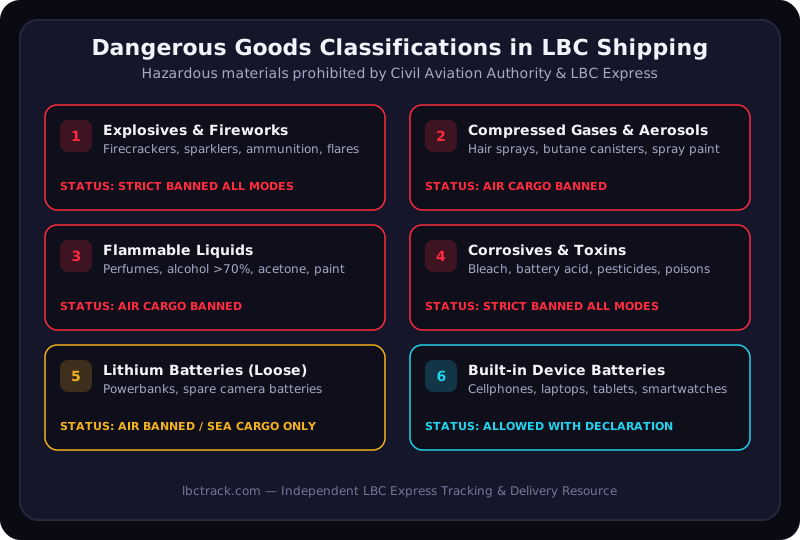
| Hazard Class | Description | Examples | LBC Shipping Status |
|---|---|---|---|
| Class 1 | Explosives | Fireworks, sparklers, flares | Strictly Banned (All modes) |
| Class 2 | Compressed Gases | Butane, spray paint, hairspray | Air Cargo Banned |
| Class 3 | Flammable Liquids | Perfumes, acetone, rubbing alcohol | Air Cargo Banned |
| Class 4 | Flammable Solids | Matches, sulfur, magnesium | Strictly Banned |
| Class 5 | Oxidizers | Bleach, hydrogen peroxide | Strictly Banned |
| Class 6 | Toxins & Infectious | Pesticides, medical waste | Strictly Banned |
| Class 7 | Radioactive Materials | Industrial gauges, isotopes | Strictly Banned |
| Class 8 | Corrosives | Battery acid, drain cleaner | Strictly Banned |
| Class 9 | Miscellaneous | Loose powerbanks, dry ice | Sea Cargo Only / Restricted |
For official civil aviation guidelines on hazardous materials, refer to the Civil Aviation Authority of the Philippines and the Department of Trade and Industry guidelines on consumer product transport.
What Happens During LBC Branch Visual Inspection?
Most guides skip what actually happens when you walk into an LBC branch. Here is the step-by-step counter workflow:
- Keep your box unsealed: When visiting any of LBC’s 6,400+ branches, do not tape your box completely shut before arrival. Branch staff must inspect the contents. If you need tips on branch preparation, see how to prepare for LBC branch drop-off.
- Item Declaration: The associate will ask you to specify each item inside the box and its estimated monetary value for the waybill.
- Visual Inspection: The associate checks for prohibited goods, unsealed liquids, batteries, and illegal items.
- Packaging & Taping: Once cleared, the item is placed inside an official LBC X-Pack, N-Pack, or box, and sealed with tamper-evident security tape.
- Waybill & Tracking Issuance: You receive a receipt printed with your 13-digit tracking number. You can immediately enter this code into our free LBC tracking page to trace your padala in real time.
If an item is flagged at an automated hub screening later in the journey, LBC customer service will place the package on “Held at Hub” status and notify the sender. Learn more about status codes in our article on LBC tracking statuses explained.
FAQs
Is this an official LBC Express page?
No. LBC Tracking (lbctrack.com) is an independent tracking guide and information site. We are not affiliated with LBC Express Inc. For official inquiries, visit lbcexpress.com or call the Metro Manila hotline at 8-585-999 (provincial toll-free: 1-800-10-8585999).
Can I ship perfumes via LBC sea cargo?
Yes, liquid perfumes and body mists can often be shipped via sea cargo if they are commercially sealed and properly declared at the branch. However, they are strictly prohibited on air cargo express services due to aviation flammable liquid restrictions.
What happens if I accidentally put cash inside my LBC box?
If cash is detected during hub scanning, LBC will hold the parcel and require the sender to claim the shipment at the handling branch. Physical cash is excluded from shipment insurance and declared value coverage.
Are powerbanks allowed in LBC Balikbayan boxes from abroad?
Standalone powerbanks are generally prohibited in air Balikbayan boxes and restricted in sea freight containers depending on the origin country’s export rules. Devices with internal batteries already installed inside the unit are usually allowed.
Can I ship prescription medicines through LBC?
Prescription medicines are allowed for domestic shipping provided they are in their original pharmacy packaging, accompanied by a valid doctor’s prescription, and declared at the counter.
What should I do if my shipment is held due to a prohibited item?
Contact LBC customer care at customercare@lbcexpress.com or visit the origin branch with your 13-digit tracking number and official receipt to arrange parcel retrieval or item removal.
Next Steps for Senders
Before heading to your local branch, double-check your package contents against this guide to prevent unnecessary rejections. Once your cleared parcel is accepted, keep your 13-digit tracking receipt safe so you can monitor delivery progress on our online LBC tracking tool. If you ever encounter shipping delays or status holds, our LBC tracking troubleshooting hub provides step-by-step solutions for every scenario.